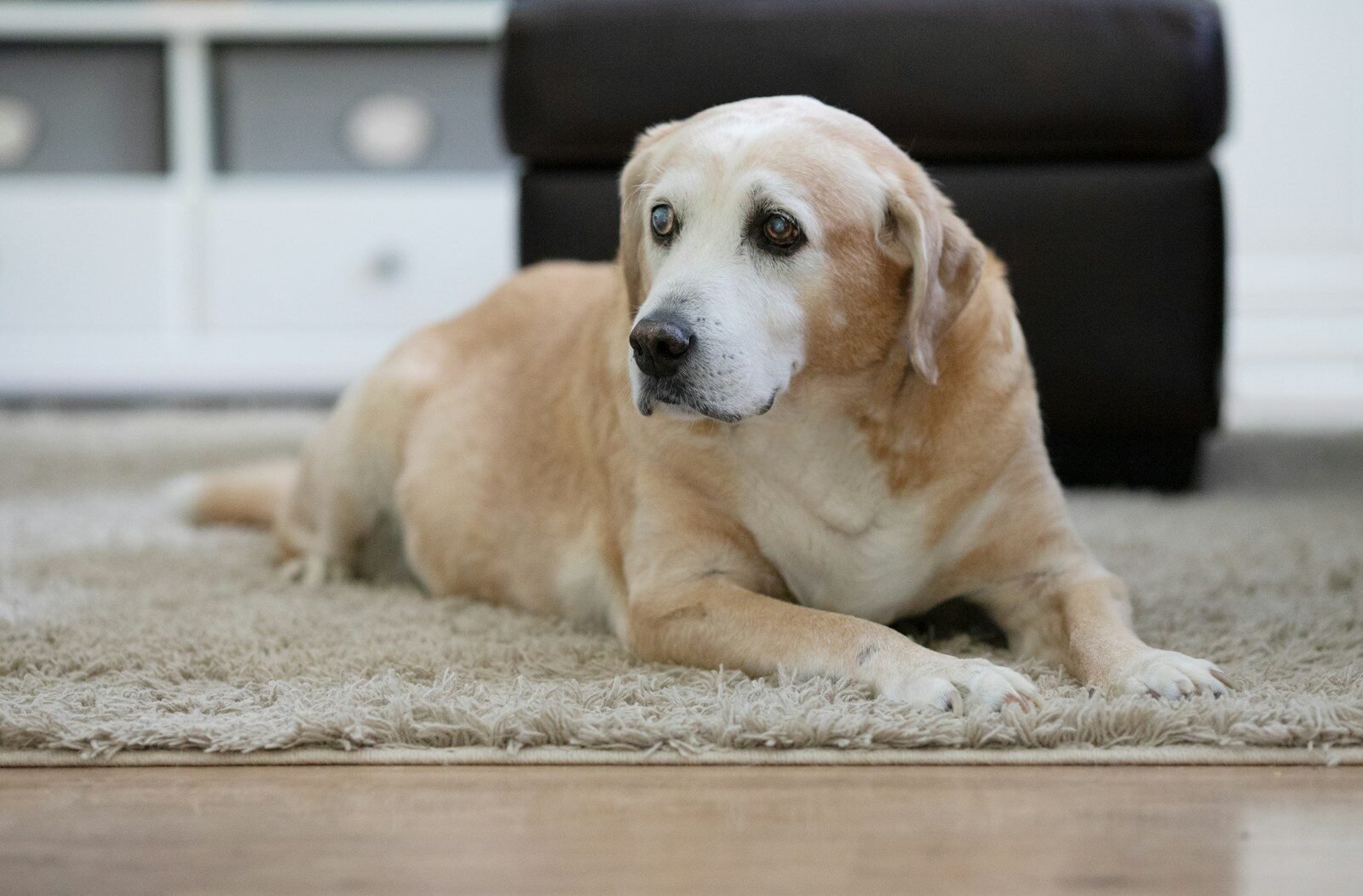
Dogs and cats are generally considered senior from around seven to ten years old, though this varies by breed and size. Senior pets often need small adjustments to diet, exercise and monitoring to stay comfortable. This guide covers general principles only, and any specific health concerns should always be discussed with your vet.
Common changes in senior pets
- Slower movement, stiffness or reluctance to climb stairs
- Greying around the muzzle and changes in coat condition
- Reduced hearing or eyesight
- Changes in weight, either gain or loss
- More frequent need to go to the toilet
General care tips
- Keep up with regular vet check-ups, often recommended twice yearly for older pets
- Provide a comfortable, supportive bed, especially for pets with joint stiffness
- Keep exercise gentle and consistent rather than long and infrequent
- Monitor food intake and body condition, adjusting portions with veterinary guidance
- Keep water easily accessible around the home
Repeat medicines for long-term conditions
Many senior pets are prescribed long-term medicines for conditions such as joint pain or ongoing health issues identified by a vet. Once a prescription is in place, Pet Pharmacy can help manage repeat orders so that owners do not have to think about running out. As a GPhC-registered pharmacy based in Berkeley, Gloucestershire, we handle repeat veterinary prescriptions and general pet health products with the same care and professional standards used for human medicines.
This article is general information and not a substitute for individual veterinary advice. If you notice a sudden or significant change in your senior pet, contact your vet promptly.
Leave a Reply